
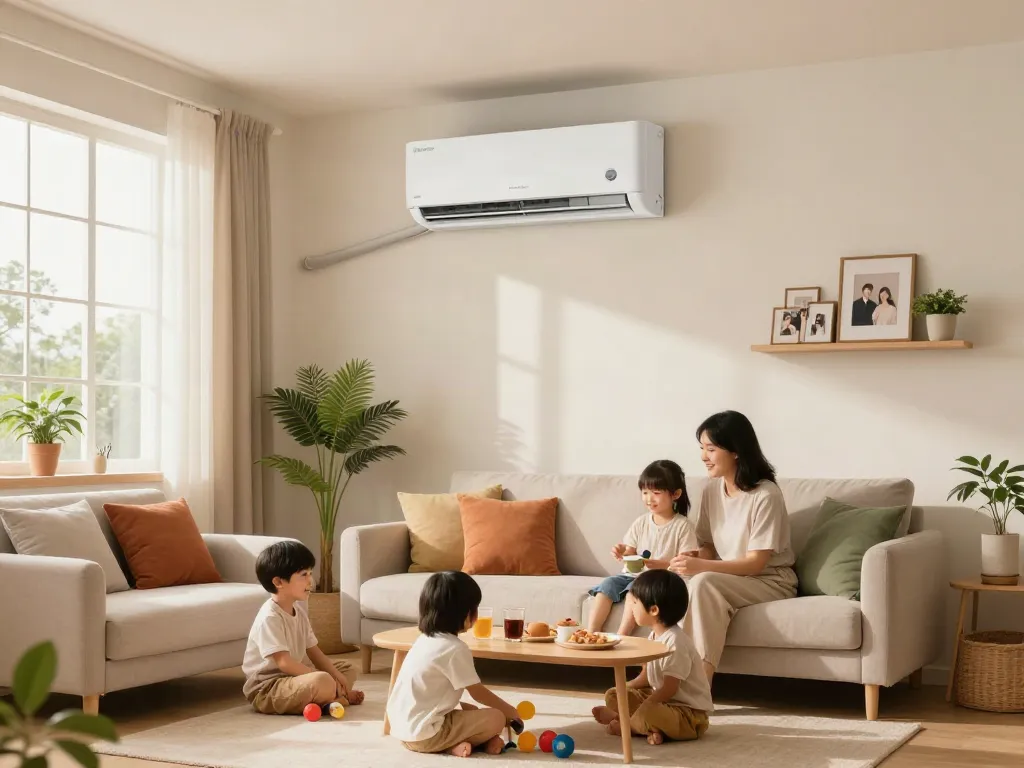
Understanding Ductless Air Conditioner Technology
In the quest for comfortable indoor climates, ductless air conditioner have emerged as a popular solution, especially for those seeking efficient cooling without the complications of traditional HVAC systems. These innovative units are designed to provide personalized comfort with minimal installation requirements, making them an excellent choice for a variety of settings, from residential homes to office spaces. In this article, we will delve into the workings of ductless air conditioners, their benefits, installation considerations, cost analysis, energy efficiency, and frequently asked questions, offering a comprehensive overview for potential buyers in 2026.
What is a Ductless Air Conditioner?
A ductless air conditioner, commonly known as a mini-split system, consists of an outdoor compressor unit and one or more indoor air handling units. Unlike traditional air conditioning systems that rely on ductwork to distribute cooled air throughout a building, ductless systems deliver air directly into specific rooms or zones. This allows for greater flexibility in cooling options, enabling users to control temperatures in different areas independently.
How Ductless Systems Work
Ductless air conditioners operate through a heat exchange process that involves refrigerant. The outdoor unit absorbs heat from the external air and transfers it to the refrigerant, which then circulates to the indoor units. Here, the refrigerant releases the heat, cooling the air that is subsequently blown into the room. Each indoor unit is controlled via a remote or a wall-mounted thermostat, providing tailored comfort while optimizing energy efficiency.
Benefits of Ductless Air Conditioners
Ductless air conditioners offer numerous advantages over traditional systems:
- Energy Efficiency: These systems typically have higher SEER (Seasonal Energy Efficiency Ratio) ratings, resulting in lower energy bills.
- Easy Installation: Without the need for extensive ductwork, installation is quicker and less invasive, often completed in just a few hours.
- Zone Control: Homeowners can cool individual rooms based on usage and preference, reducing unnecessary energy consumption.
- Improved Air Quality: Ductless systems reduce the risk of dust and allergens typically associated with ducted systems, leading to healthier indoor air.
- Heating Capabilities: Many ductless systems also provide heating, offering a year-round climate control solution.
Installation Considerations for Ductless Systems
When choosing to install a ductless air conditioner, several factors need to be considered to ensure optimal system performance and longevity.
Preparing Your Home for Installation
Before installation, assess your home to determine the most efficient locations for the indoor units. This evaluation should consider factors such as airflow, room size, and sun exposure. It's also essential to ensure that the outdoor unit has enough space for ventilation and maintenance access.
Professional vs. DIY Installation
While some homeowners may consider a DIY installation to save costs, hiring a professional is often recommended. Trained technicians possess the expertise to correctly size and install the system, ensuring optimal performance and compliance with local codes. They can also avoid common pitfalls that could lead to system inefficiency or damage.
Common Mistakes to Avoid
During installation, avoiding the following mistakes can help ensure the efficiency and effectiveness of your ductless air conditioner:
- Improper sizing of the system for the intended space, leading to poor cooling performance.
- Neglecting proper insulation around the indoor and outdoor units, which can cause energy loss.
- Choosing installation locations that obstruct airflow or reduce unit effectiveness.
Cost Analysis: Ductless Air Conditioners in 2026
When considering a ductless air conditioning system, understanding the financial aspects is crucial. From initial costs to long-term savings, a comprehensive cost analysis can help you make an informed decision.
Initial Costs vs. Long-Term Savings
The initial cost of installing a ductless air conditioner can range significantly, typically between $3,000 to $7,000 depending on the number of indoor units and the complexity of the installation. However, these systems are known for their energy efficiency, which translates to lower utility bills over time. Many homeowners report savings of up to 30% on their energy costs compared to traditional systems, enabling quicker returns on investment.
Financing Options for Homeowners
For those concerned about the upfront investment, various financing options are available. Many providers offer payment plans, and some utility companies may have rebates for installing energy-efficient systems, helping to mitigate the initial cost burden.
Comparing Ductless Systems to Central Air Conditioning
When assessing options, the differences between ductless and central air conditioning systems become apparent. Central systems require ductwork, which can be costly to install or maintain. Additionally, central air typically cools entire homes uniformly, irrespective of occupancy, which can lead to wasted energy. In contrast, ductless systems provide flexibility and efficiency, catering specifically to individual preferences and needs.
Energy Efficiency and Environmental Impact
As energy costs continue to rise and environmental concerns grow, energy efficiency has become a priority for many homeowners. Ductless air conditioners stand out as a sustainable choice for cooling and heating needs.
Understanding SEER Ratings
SEER ratings indicate the efficiency of air conditioning systems—the higher the rating, the more efficient the system. Most ductless air conditioners boast SEER ratings above 15, making them an energy-efficient alternative to central systems, which often have lower ratings. Investing in a higher-rated unit means reduced energy bills and a smaller carbon footprint.
Reducing Your Carbon Footprint with Ductless Systems
By choosing a ductless air conditioner, homeowners can significantly lessen their environmental impact. These systems use advanced inverter technology, which adjusts the compressor speed to maintain the desired temperature without excessive energy consumption, leading to fewer greenhouse gas emissions compared to traditional systems.
Future Trends in Energy-Efficient Cooling Solutions
As technology continues to progress, ductless air conditioners are expected to incorporate even more energy-efficient features. Innovations in automation, smart home compatibility, and eco-friendly refrigerants are on the rise, making these systems not only more efficient but also more user-friendly.
Frequently Asked Questions about Ductless Air Conditioners
As ductless air conditioners grow in popularity, potential buyers often have questions about their functionality and suitability.
Are ductless air conditioners suitable for all homes?
While ductless systems can be beneficial in most residential setups, they are particularly suited for homes without existing ductwork or for spaces that require additional temperature zones. They are also ideal for renovations or additions where installing ducts would be impractical.
How much maintenance do ductless systems require?
Maintenance for ductless air conditioners is relatively straightforward. Regular cleaning of the air filters, ensuring the outdoor unit is free from debris, and annual professional servicing can help prolong the life of the system and maintain optimal efficiency.
What is the lifespan of a ductless air conditioner?
Most ductless air conditioners have a lifespan of 15 to 20 years when maintained properly. Factors such as usage, maintenance frequency, and environmental conditions can influence their longevity.